
Blog
What is a Rechargeable Hearing Aid?

Introduction
Hearing aids have transformed the lives of millions of people with hearing loss. Modern technology has made these devices smaller, smarter, and more convenient than ever before. One of the most popular innovations in recent years is the rechargeable hearing aid. Unlike traditional hearing aids that require frequent battery replacements, rechargeable hearing aids can be easily charged and reused, making them a convenient and eco-friendly solution.
What is a Rechargeable Hearing Aid?
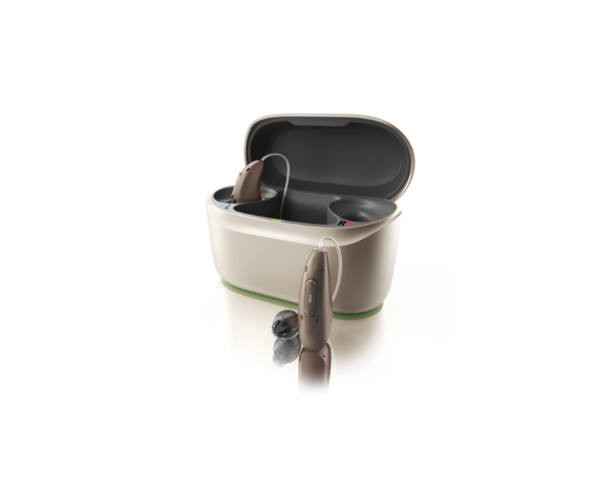
A rechargeable hearing aid is a hearing device that uses a built-in rechargeable battery instead of disposable batteries. Users simply place the hearing aid in a charging station or charging case, usually overnight, and it becomes fully charged for the next day’s use.
Most modern rechargeable hearing aids use advanced lithium-ion battery technology, which provides long-lasting performance, faster charging, and reliable power throughout the day.
How Does a Rechargeable Hearing Aid Work?
Rechargeable hearing aids work similarly to smartphones and other rechargeable electronic devices. The hearing aid contains an internal battery that stores electrical energy. When the battery runs low, the device is placed in a charger to replenish its power.
A full charge typically provides:
- Up to 18–30 hours of hearing aid use
- Reliable performance throughout the day
- Support for Bluetooth streaming and advanced features
Benefits of Rechargeable Hearing Aids
1. Convenience
No need to purchase, store, or replace tiny disposable batteries. Simply charge the device overnight and use it all day.
2. Cost Savings
Although rechargeable hearing aids may have a higher initial cost, they eliminate the ongoing expense of buying disposable batteries.
3. Environmentally Friendly
Rechargeable hearing aids reduce battery waste, making them a greener choice for environmentally conscious users.
4. Easy for Seniors
Many older adults find it difficult to handle small batteries. Rechargeable models remove this challenge and make daily hearing aid maintenance easier.
5. Consistent Performance
Rechargeable batteries provide stable power, helping hearing aids perform optimally throughout the day.
Are Rechargeable Hearing Aids Right for You?
Rechargeable hearing aids are ideal for:
- Adults with mild to profound hearing loss
- Seniors who struggle with changing batteries
- Active individuals who want a hassle-free solution
- Users who prefer modern technology and Bluetooth connectivity
However, individuals who travel frequently to remote locations without access to electricity may prefer hearing aids that use replaceable batteries.
Rechargeable vs. Disposable Battery Hearing Aids
| Feature | Rechargeable Hearing Aid | Disposable Battery Hearing Aid |
|---|---|---|
| Battery Replacement | Not Required | Required Regularly |
| Daily Maintenance | Easy | Moderate |
| Environmental Impact | Lower | Higher |
| Long-Term Cost | Lower | Higher |
| Convenience | Excellent | Good |
Caring for Rechargeable Hearing Aids
To maximize battery life and performance:
- Charge the hearing aids every night.
- Keep the charger clean and dry.
- Avoid exposing the devices to extreme heat or moisture.
- Follow the manufacturer’s maintenance guidelines.
- Schedule regular hearing aid check-ups with your hearing care professional.
Conclusion
Rechargeable hearing aids offer a modern, convenient, and environmentally friendly solution for people with hearing loss. They eliminate the hassle of changing small batteries while providing reliable all-day performance. Whether you are a first-time hearing aid user or looking to upgrade your current device, a rechargeable hearing aid can make hearing care simpler and more comfortable.
If you are considering a rechargeable hearing aid, consult a hearing care professional to find the model that best suits your hearing needs and lifestyle.